Transforming small spaces: garden design tips
October 22, 2025 at 3:04 PM
by Pullinger Landscapes
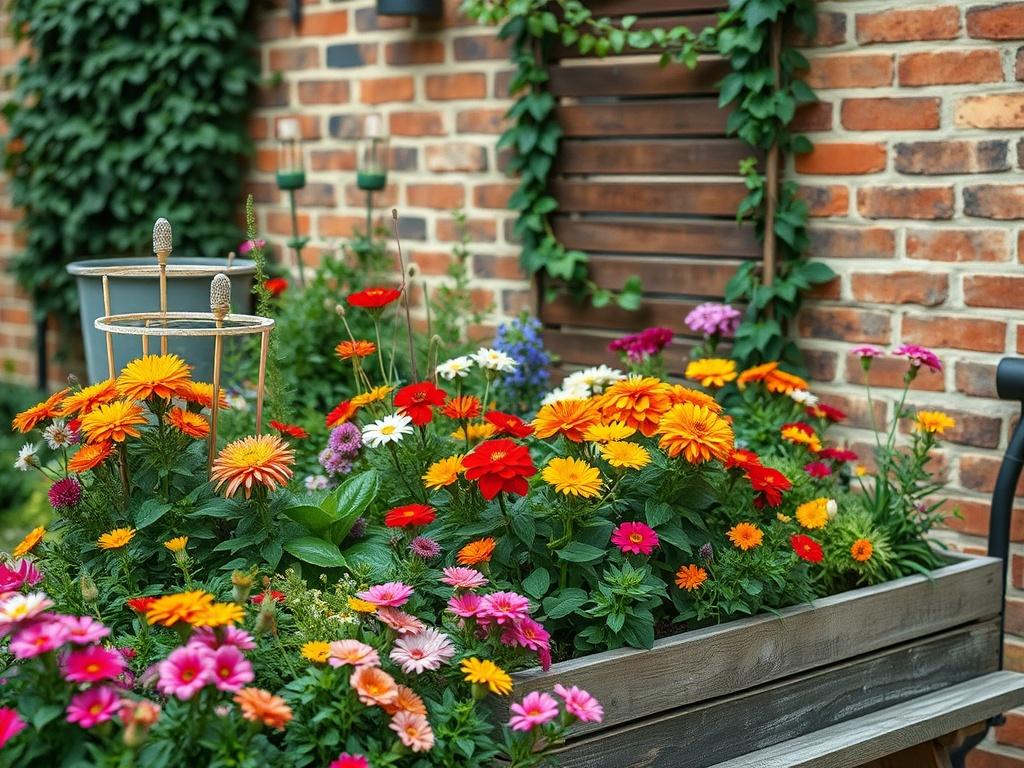
Create a realistic high-resolution photo capturing the essence of a small garden space designed for optimal transformation. Focus on a single beautifully arranged flower bed overflowing with vibrant seasonal flowers in full bloom, showcasing a variety of colors and textures. The composition should emphasize the clever use of vertical space through the incorporation of climbing plants on a stylish trellis. Ensure that the background features a quaint brick wall gently adorned with ivy, providing a warm and i

Transforming Small Spaces: Garden Design Tips

Even the smallest outdoor space has the potential to become a beautiful, functional garden. Whether you have a compact courtyard, a narrow side return, or a modest patio, clever design can make a huge difference. At Pullinger Landscapes, we believe that great garden design is not about size but about creating balance, comfort, and visual harmony. Here are our top tips for transforming small spaces into inviting outdoor retreats.

1. Plan with purpose

Every square metre counts in a small garden, so begin with a clear plan. Think about how you want to use the space. Do you want a peaceful place to relax, an outdoor dining area, or a space for plants and wildlife? Once you have a vision, arrange your layout around it. Using scaled sketches or a digital design plan helps you visualise proportions and flow before starting work.

2. Choose the right materials

Consistency is key when designing a compact garden. Choose a limited palette of materials to create a cohesive look. Natural stone, light gravel, and smooth timber can make small areas feel larger and more inviting. Light colours reflect sunlight and open up the space, while darker tones can create depth and contrast.

3. Layer your planting

Small gardens benefit from thoughtful layering. Combine ground cover, mid height shrubs, and taller statement plants to build dimension without clutter. Vertical planting, such as trellises, green walls, or climbers, is ideal for maximising greenery in tight spaces. Fragrant plants like lavender or jasmine add sensory appeal and help create a relaxing atmosphere.

4. Use height to your advantage

When floor space is limited, look upward. Raised planters, hanging baskets, or built-in seating with integrated planters can make a small garden feel more dynamic. Pergolas or arches draw the eye upward and define zones without taking up much ground space.

5. Keep it clutter free

Simplicity works best in compact gardens. Choose a few high-impact features instead of many small ones. Built-in furniture or concealed storage can keep your garden tidy while maintaining visual flow. A single striking feature, such as a water bowl, sculpture, or feature tree, can serve as a focal point and give the space personality.

6. Incorporate lighting

Thoughtful lighting can transform a small garden after dark. Soft uplighting beneath plants or subtle string lights along fences create warmth and depth. Warm white tones work well in smaller areas, helping to create a welcoming glow without overwhelming the space.

7. Blend indoors and outdoors

If your garden connects to your living area, use matching materials or colours to create continuity. Sliding or bifold doors, similar flooring, and aligned sightlines can make both spaces feel larger and more cohesive. Adding mirrors or reflective surfaces outside also enhances the sense of openness.

8. Add personality with details

Even small spaces can reflect your style. Incorporate cushions, decorative pots, or textured planters that complement your home’s aesthetic. Subtle touches, such as painted fencing or bespoke garden furniture, can elevate the space and make it uniquely yours.

---

Bring your small garden to life

At Pullinger Landscapes, we specialise in creating beautiful, functional gardens of every size across North London. Our design and maintenance team can help you make the most of your outdoor space with tailored solutions that enhance your home and lifestyle.

*Get in touch* today to arrange a consultation and discover how we can transform your small garden into something truly special.


Endless leaves
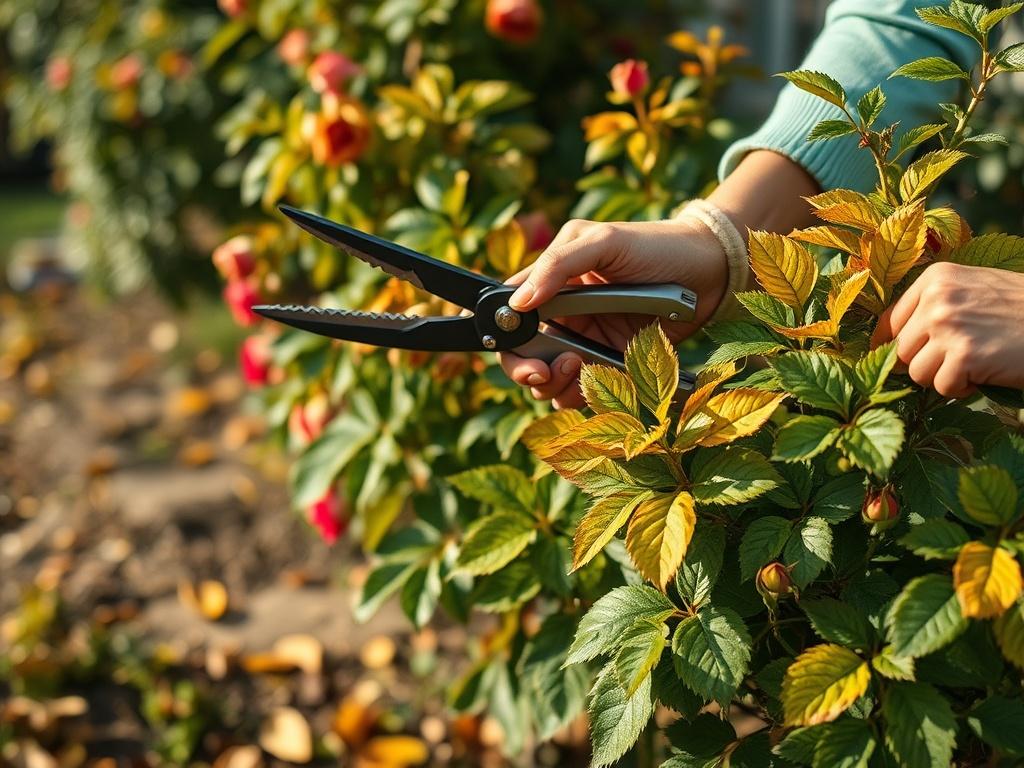
Create a hyper-realistic high-resolution image that embodies the theme "Endless Leaves." The composition should be simple and clear, featuring a single close-up subject: a pair of gardener's hands gently trimming back rose bushes. The hands should be visible in a natural, relaxed position, using sharp pruning shears to cut away the dense foliage of vibrant green leaves with hints of yellow and orange, signaling the transition into autumn. 

The background should provide a soft, blurred garden setting that s

As we wave goodbye to the colorful chaos of autumn leaves, it’s time to celebrate the conclusion of leaf picking season. This annual ritual allows us to reflect and appreciate the beauty of our gardens as they transition from vibrant hues to a quieter, more serene state. The crisp air that signals the end of leaf collection also invites us to engage in vital preparations for our outdoor spaces, ensuring they remain healthy and ready to burst into life when spring arrives.

Now that leaf picking up has finished, we can focus on key garden tasks that set the stage for a thriving landscape in the months ahead. One crucial step is to cut back the roses, allowing them to rest and rejuvenate during the winter. By nurturing our plants with thoughtful preparation, we not only protect their well-being but also create a foundation for a vibrant garden when warmer weather returns. Let’s explore these essential tasks that will help our gardens flourish through the cold months ahead.

Celebrating the end of leaf picking: a moment to reflect and appreciate our gardens

As the vibrant hues of autumn begin to fade and the last leaves tumble to the ground, we find ourselves at a significant juncture in our gardening journey. Now that leaf picking up has finished, it's an ideal time to pause and reflect on the beauty and growth our gardens have showcased throughout the season. The crisp air brings with it a sense of closure, yet it also opens a door to new beginnings. Each fallen leaf tells a story of the summer spent nurturing our plants, and gathering them has allowed us to appreciate the hard work that went into maintaining this green sanctuary.

With the leaf cleanup complete, we can now take a moment to express gratitude for the joys that our gardens have bestowed upon us. From the delightful blooms to the rustling leaves that danced in the breeze, our gardens are a testament to the cycle of life and change. This is a time for reflection, where we consider the lessons learned from our plants and the seasonal challenges overcome. As we transition towards winter, it's time to celebrate the end of leaf picking and prepare ourselves for the crucial tasks ahead that will ensure our beloved gardens thrive in the upcoming spring.

Now that leaf picking up has finished: essential steps to cut back the roses

Now that leaf picking up has finished, it’s the perfect time to turn our attention to the roses. Cutting back your rose bushes at this stage not only helps to tidy up the garden but also promotes healthy growth for the upcoming spring. Start by using clean, sharp pruning shears to remove any dead or diseased branches, as well as any that are crossing or rubbing against each other. Aim to trim back about one-third of the plant's height, ensuring to make cuts just above a set of healthy buds, which encourages robust new growth. This rejuvenation is essential for keeping your roses vibrant and full of blooms when warmer weather returns.

In addition to pruning, now is an ideal time to assess the overall health of your roses. Check for any lingering pests or signs of disease, and address these issues before they worsen over the winter months. Mulching around the base of the plants can provide insulation and help retain moisture during colder weather. As you cut back the roses and prepare the garden for winter, remember this process is about maintaining the health and beauty of your rose garden; your efforts will pay off with stunning displays of color come springtime.

Preparing the garden for winter: nurturing our plants for a vibrant spring

As the temperatures drop and winter approaches, it’s crucial to prepare your garden for the colder months ahead. Start by clearing away any debris and spent plants to prevent pests and diseases from taking hold during the winter. Consider adding a layer of mulch around your plants, which will help insulate the roots, retain moisture, and suppress weeds. Pay special attention to tender perennials; protecting their base with mulch can ensure they survive the chill and thrive come spring.

Additionally, winterizing your garden tools and equipment sets the stage for a productive gardening season. Clean, sharpen, and oil your tools before storing them away to prevent rust and damage. If you have pots or containers outdoors, consider bringing them inside or insulating them to protect their contents from freezing temperatures. Taking these steps not only prepares your garden for winter but also brings you one step closer to a lush and flourishing landscape when the first signs of spring appear.