Maintenance
A garden is a slow thing. It rewards steady attention.
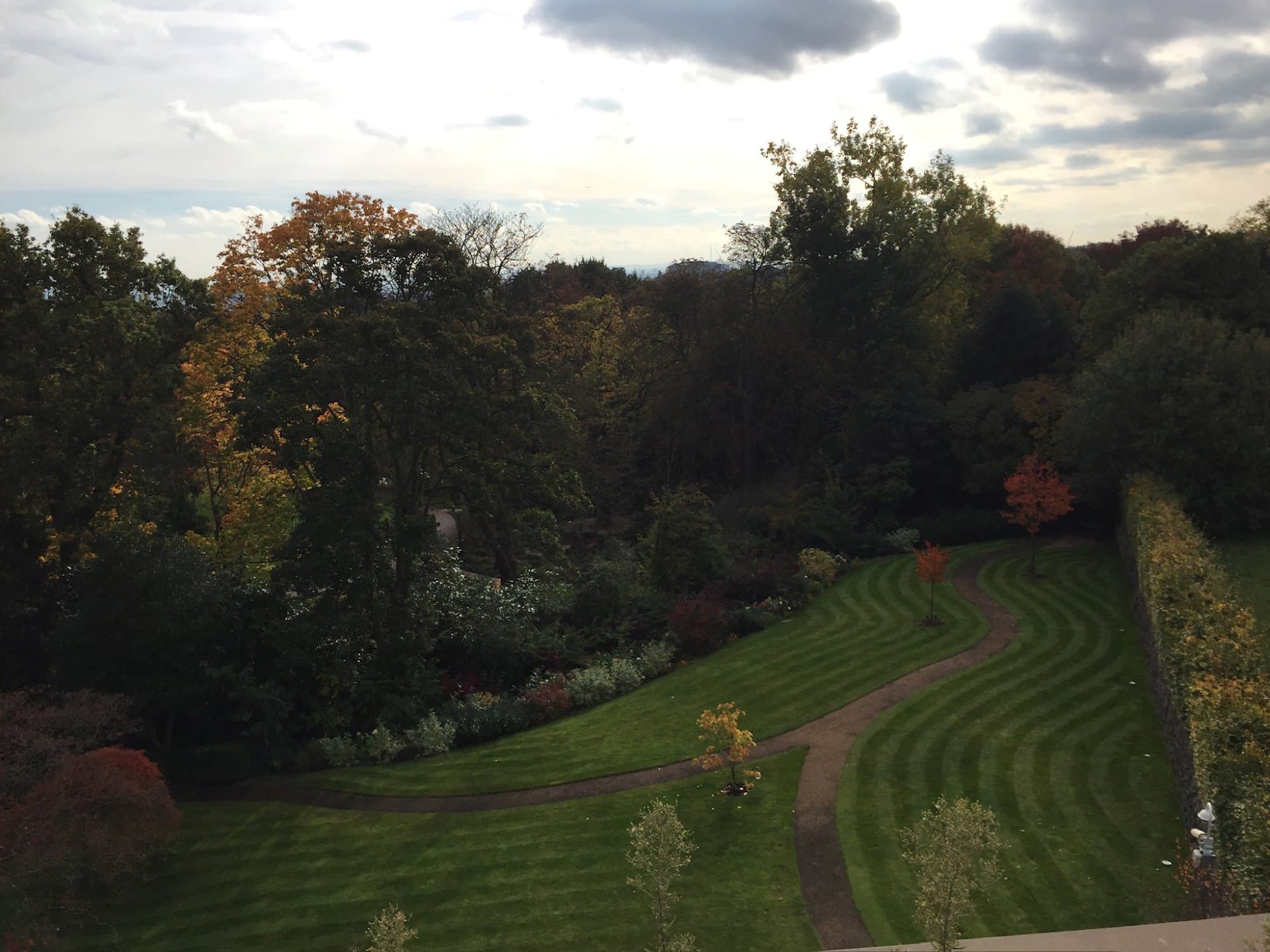
A well-made garden needs the right hands through the year. We keep North London gardens, period terraces and modern townhouses alike, pruned, fed and ahead of the seasons, on a rhythm that suits the planting rather than the diary.
What’s included
Garden Maintenance, in detail.
Every project is different, but here’s what this work typically involves.
Regular seasonal visits
Weekly, fortnightly or monthly visits timed to the garden’s year, the same hands each time, so nothing is missed and small problems are caught before they become big ones.
One-off tidy-ups & rescues
Come back from a busy summer to a garden that has run away with itself? We take on one-off cutbacks and rescue tidies, with no obligation to sign up for anything ongoing.
Pruning & cutting back
Roses, shrubs, climbers, hedges and small trees pruned at the right moment for each plant, never blanket-sheared on a schedule that suits us rather than the garden.
Lawn care
Mowing, edging, aeration, scarifying and feeding to keep lawns dense and green, with crisp lines where grass meets bed.
Pressure washing
Patios, paths, decking and paving refreshed on a schedule, because a garden that has been swept and washed reads as looked-after even before you notice the plants.
Planting care
Weeding, mulching, deadheading, dividing, staking and feeding so borders keep their shape and the soil stays healthy year on year.
Leaf clearance & seasonal preparation
Autumn leaf clearance, winter protection and structural pruning, spring feeding and mulching: the seasonal calendar that keeps a garden a step ahead of itself.
For businesses
Looking after an office, block or shop?
We also look after commercial grounds across North and Central London, from offices and apartment blocks to retail frontages and small estates, on a scheduled contract from £120 a visit.
Maintenance guide
Looking after a North London garden through the year
A garden does not need constant work, but it does need the right work at the right time. Here is how we think about looking after a garden across the year, and what is worth knowing if you look after yours yourself.
How often does a garden need a visit?
It depends on the garden, not the calendar. A lawn with deep borders and fast-growing climbers usually wants a visit every week or fortnight through the growing season. A small courtyard with paving, a few shrubs and some pots is often happy with a monthly visit. Many gardens need more attention from spring to early autumn and less through winter.
At the first visit we walk the garden with you and suggest how often we think it really needs us. If it turns out to be less often than you expected, we will say so.
Spring
Spring is when a garden is set up for the year. Lawns get their first cuts, edges are recut and the grass is fed once it starts growing. Borders are weeded and mulched while the soil is still moist, which holds in water and keeps weeds down for months. It is also a good time to pressure wash patios and paths, lifting the green build-up left by winter.
Summer
In summer the work is mostly about keeping up. Lawns are mown regularly and left a little longer in hot, dry spells so they do not scorch. Borders are deadheaded to keep them flowering, and anything that has grown across a path is cut back. In a dry summer we can let you know which plants need watering most.
Autumn
Autumn is the busiest time for a tidy garden. Leaves come off the lawn and paths before they smother the grass or make the paving slippery. Lawns benefit from scarifying and aerating while the soil is still warm. We cut back perennials that have finished, but often leave some seed heads standing for birds and winter structure.
Winter
Winter is the time for structural pruning, while deciduous shrubs and fruit trees are bare and their shape is easy to see. Roses are pruned towards the end of winter. We keep off waterlogged lawns, because walking on wet clay compacts it, and use the quieter months to keep paths, beds and corners tidy.
Clay soil and shade
Much of North London sits on clay. It holds water and stays heavy through winter, then shrinks and cracks in a dry summer. Mulching the borders every year improves the soil over time, and aerating the lawn helps water and air reach the roots. Many London gardens are also shaded by walls, fences and neighbouring trees, so we prune and plant with the light in mind rather than fighting it.
If a lawn is beyond saving, see turfing and new lawnsHedges, trees and the rules
Wild birds’ nests are protected by law while they are being built or used, and many birds nest in hedges from spring to late summer. We check before cutting, and leave a hedge alone if there is an active nest. The main hedge cut usually happens from late summer into autumn.
Trees have their own rules. Many parts of North London are conservation areas, where you need to give the council six weeks’ notice before most work on a tree, and some trees are protected by a Tree Preservation Order. We check before cutting anything substantial.
Bringing a neglected garden back
If a garden has run away with itself, we start with a one-off tidy. We cut back what has overgrown, clear weeds and rubbish, recut the edges and take the green waste away. You can then see what you have, and decide whether you would like regular visits. There is no obligation to carry on.
Thinking about new planting? See planting and soft landscapingHow it works
From first conversation to finished garden.
- 01
Garden review
We walk the garden, assess the planting and hard surfaces, and agree honestly how often it really needs us, not more than that.
- 02
Care plan
A simple seasonal plan matched to your planting, with a clear visit frequency and cost, and no long tie-ins.
- 03
Regular visits
The same team each time, so they know the garden, work to the plan and adjust by eye as the seasons turn.
- 04
Notes & recommendations
A short note after each visit on what we did and what is coming next, so nothing creeps up on you.
Recent examples
Where we’ve done this.
Crouch End, N8
A Victorian terrace in Crouch End
Fortnightly care of a densely planted rear garden, the kind of quiet upkeep that reads as “always looks lovely”.
Highgate, N6
A period garden in Highgate
Monthly visits keeping mature hedging, roses and a small orchard in good order right across the seasons.
Islington, N1
A townhouse garden in Islington
A modern courtyard-style garden kept sharp: clipped forms, container planting and a small lawn, tidy for weekend guests.
Pricing guide
Regular visits from £45; one-off tidies from £180
Most clients settle on a fortnightly or monthly visit; we also take on one-off cutbacks and seasonal rescues with no ongoing commitment.
What affects the price
- Garden size and planting density
- Visit frequency: weekly, fortnightly or monthly
- Access, waste removal and green-waste volume
- Specialist work such as topiary, hedge-cutting or fruit pruning
Questions
Garden Maintenance: the details people ask about.
Not at all. We look after plenty of gardens we did not make, period and modern alike. We will always give you an honest view of what the planting needs and how often we should really be coming.
Yes. Plenty of people start with a single cutback after a busy stretch, then decide whether to keep it going. There is no obligation to move on to regular visits.
No. Once we know the garden and have safe access, most clients leave us to it and come home to a garden that has quietly been looked after.
Once a year suits most gardens, usually in spring to lift the winter build-up of algae and moss. Shaded or north-facing surfaces can want it twice. We can fold it into a regular visit or do it as a one-off.
We take it away and compost or recycle it responsibly. Clippings suitable for your own compost can stay if you would rather keep them.
For most garden hedges, late summer to autumn, once birds have finished nesting. A light trim to keep it neat can be done at other times, as long as there are no active nests.
Yes. There is less mowing, but winter is the right time for pruning, leaf clearance and tidying. Many clients keep the same visits all year, while some drop to fewer visits over winter.
Sometimes. If you live in a conservation area, most tree work needs six weeks’ notice to the council, and a tree with a Tree Preservation Order needs consent first. We check before we start.
Yes. A one-off tidy with the lawn cut, edges recut, borders weeded and paths washed makes a real difference to how a garden looks in photos and at viewings.
Explore more
Other services
Get in touch
Ready to talk about garden maintenance?
Tell us a little about your space and how you’d like to use it. We’ll come back to you within one working day.
info@pullingerlandscapes.co.uk